
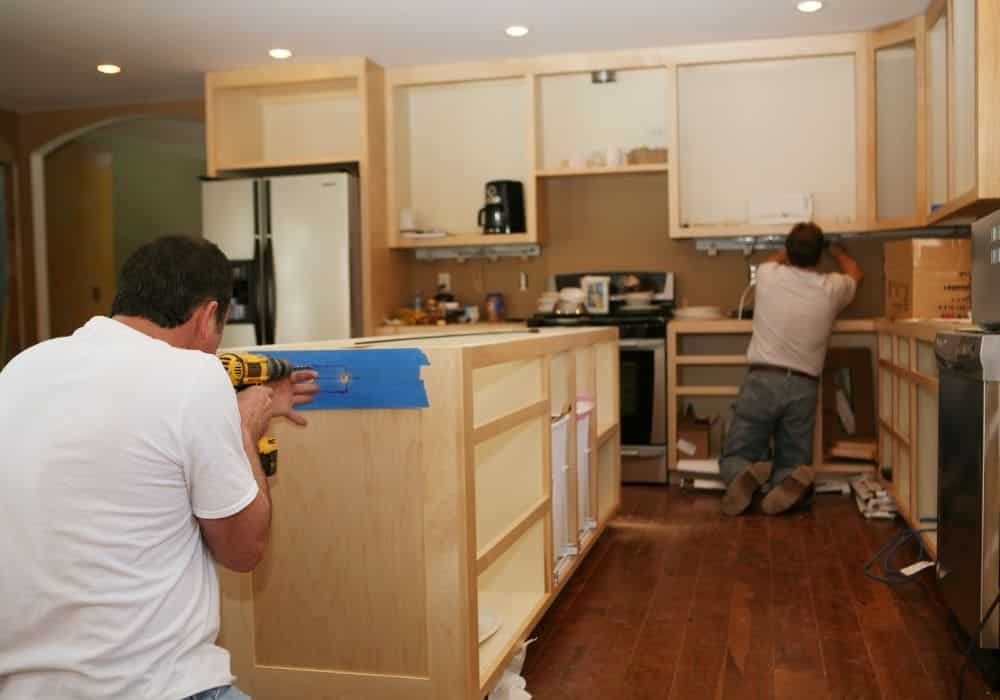
Remodeling a kitchen in an older home presents a distinct design challenge. You must balance the demands of modern culinary spaces with the preservation of historic architecture. Many classic properties feature unique architectural details, custom craftsmanship, and structural materials that are impossible to replicate today.
However, older spaces often present functional challenges. These can include restrictive layouts, outdated electrical systems, and uneven subfloors.
Successfully navigating an old house kitchen remodel requires a strategy that respects the home’s heritage while integrating modern engineering. A thoughtful kitchen remodeling plan focuses on stabilizing infrastructure, optimizing utility, and selecting finishes that feel historically appropriate.
1. Optimize the Layout Within Your Existing Footprint
How do I update a historic kitchen layout?
To modernize an old house kitchen layout, improve the work triangle (sink, stove, and refrigerator) using custom cabinetry and built-in features rather than knocking down load-bearing walls. This maintains the home’s original room proportions.
Older architectural styles often separate the cooking area from the rest of the living space. While contemporary preferences favor open concepts, removing walls in a vintage home can disrupt its structural logic and flow. Instead, focus on maximizing efficiency within the existing footprint.
If space is tight, a mobile work cart or a narrow prep table can provide the utility of a central island without blocking traffic.
2. Reface or Restore Original Cabinets
Can I keep the original cabinetry during a remodel?
Yes. If your home features solid-wood inset or face-frame cabinets, structural restoration is often preferable to replacement. You can reface the doors, repair vintage drawer glides, or apply a fresh coat of period-accurate paint.
If your original boxes are structurally sound, replacing them means losing high-quality old-growth lumber. Working with a specialist to reinforce drawer boxes and replace worn hinges preserves that heavy, authentic feel. If replacement is unavoidable, opt for timeless styles like Shaker or beaded inset doors that fit the home’s era.
3. Blend Heritage and Modern Surface Materials
What countertop materials look best in a vintage home?
The best countertop options for an older home are natural materials like soapstone, honed marble, and butcher block. These options develop a rich patina over time and naturally match historic wood finishes and architectural details.
- Soapstone: Offers a deep charcoal tone and matte texture. It resists heat exceptionally well, making it ideal for use near stoves.
- Honed Marble: Features classic veining with a soft, non-reflective finish. It is ideal for traditional baking zones.
- Butcher Block: Brings a warm wood grain and organic texture, perfect for islands and for adding warmth to the room.
Selecting modern synthetic surfaces can sometimes clash with original plaster work and vintage framing. Choosing natural materials that wear evenly ensures your updates age gracefully alongside the rest of your home.
4. Highlight Original Architectural Details
How do I highlight historical features during a remodel?
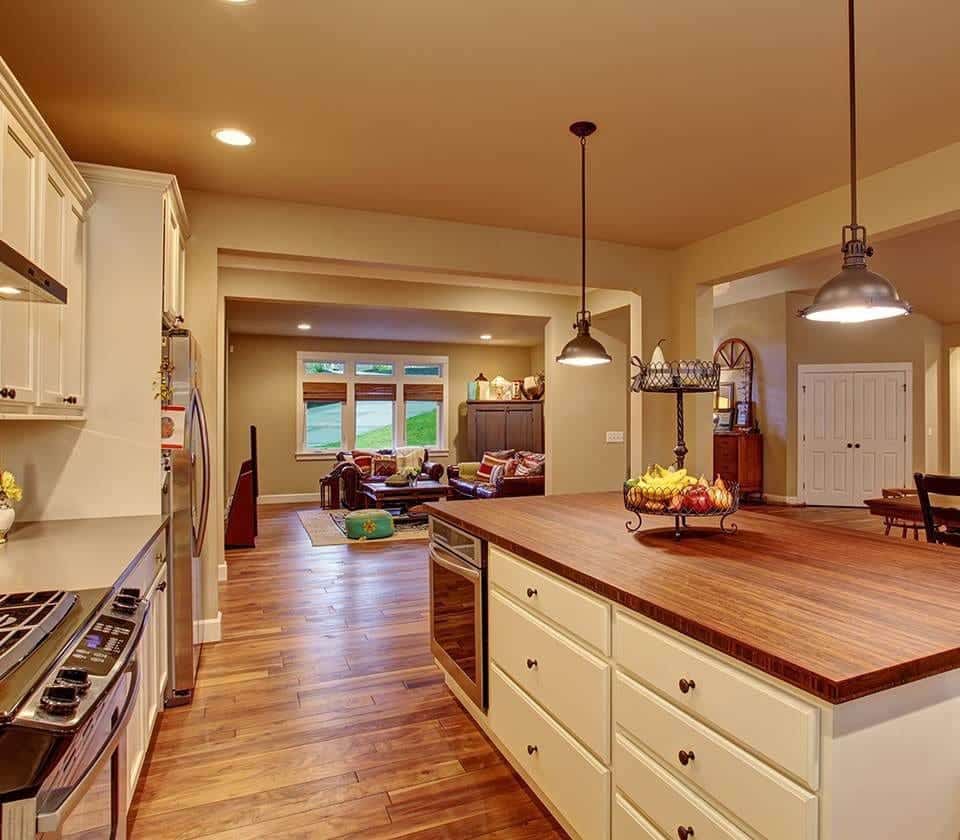
Expose architectural elements like brick chimneys, hand-carved ceiling beams, and original crown molding. Build your kitchen cabinets and tile patterns around these features to make them natural focal points.
Rather than concealing structural irregularities, incorporate them directly into your layout. An exposed brick column can serve as a beautiful backdrop for open shelving. Uncovering original woodwork connects your new workspace to the craftsmanship of the past.
5. Layer Your Lighting with Period-Appropriate Fixtures
What lighting strategy works best for an old house kitchen remodel?
An effective historic kitchen lighting plan uses hidden LED task lighting under cabinets alongside period-correct ambient fixtures, such as schoolhouse pendants or brass flush mounts.
Older homes rarely had overhead recessed lighting in the kitchen. Adding an abundance of modern can lights can disrupt an antique ceiling. Instead, use discreet, low-profile under-cabinet lighting to illuminate work areas, and rely on statement hanging fixtures to bring character and warmth to the room.
6. Maximize Vertical Storage Without Hiding Wall Space
How do I add storage to a small, historic kitchen?
Maximize storage by running custom wall cabinets to the ceiling, or install floating wood shelves over the original wall tile to keep the room feeling open.
Traditional kitchens often had less built-in storage because homeowners used freestanding furniture such as pie safes and hutches. You can recreate this look by installing custom pull-out spice racks, deep-pan drawers, and vertical tray dividers in your cabinetry. This keeps your countertops clear while preserving an airy, uncluttered feel on your walls.
7. Select a Timeless Color Palette
What color schemes look best in a historic home remodel?
Stick to classic, muted color palettes such as historic creams, soft sages, deep navies, or slate grays. These tones complement natural stone countertops and historic wood flooring.
Bright, highly reflective whites and vibrant neon shades can make an older space feel cold and disconnected. Muted mineral tones ground your cabinetry and trim work, creating a smooth visual transition between your updated kitchen and adjoining historic rooms.
8. Seamlessly Integrate Modern Kitchen Appliances
How do I hide modern appliances in an old kitchen?
Use panel-ready refrigerators and dishwashers that match your cabinetry. For cooking appliances, choose a heritage-style range or hide your countertop microwave inside an appliance garage.
Modern stainless steel appliances can sometimes look out of place next to historic details. Panel matching allows your large appliances to blend right into your cabinetry. This preserves your kitchen’s classic look while giving you all the convenience of high-performance technology.
9. Elevate the Room with a Custom Statement Piece
How do I give a remodeled kitchen authentic character?
Incorporate a standalone furniture piece, such as a reclaimed wood island, a vintage apothecary chest for storage, or an authentic farmhouse apron sink.
A uniform row of modern cabinets can sometimes feel a bit clinical in a historic house remodel. Introducing a distinct, furniture-inspired element breaks up the modern lines and gives the room a sense of history and personality.
10. Partner with Experienced Historic Preservation Professionals
Why should I hire professionals for an old house kitchen remodel?
Older homes require specialized expertise to handle old framing, non-standard dimensions, and complex utility upgrades. Professionals ensure your updates are safe, durable, and structurally sound.
A successful house remodel involves more than just aesthetics. It often requires leveling subfloors, updating knob-and-tube wiring, and retrofitting old plumbing systems. Partnering with a specialized team protects your investment and ensures your project complies with modern building codes.
Frequently Asked Questions
Can I remove walls to create an open concept in an older kitchen?
You can remove walls, but it requires a careful look by a structural engineer first. Many interior walls in older properties are load-bearing. Removing them without adding proper support beams can cause ceilings to sag and damage your home’s structure.
How do I handle uneven floors during a kitchen remodel?
Uneven floors are very common in older properties due to natural settling. Before laying new tile or hardwood, your installation team must evaluate the joists, reinforce the subfloor, and apply a self-leveling underlayment to create a flat, stable surface.
What is the most durable flooring for an old house kitchen?
Solid hardwood, engineered wood with a thick wear layer, and natural stone tile offer excellent durability. These materials handle high foot traffic well and naturally match the character of an older home.
How do I safely update old plumbing and electrical lines?
Always hire licensed contractors to open up your walls and inspect your infrastructure. Remodeling is the perfect time to replace outdated galvanized pipes with PEX lines and swap out old wiring for a modern, grounded electrical panel.
How do I balance historic preservation with a modern lifestyle?
Focus on keeping your home’s outer shell and architectural details authentic while modernizing your storage, lighting, and internal appliances. This approach gives you the best of both worlds: modern function with timeless style.
Ready to Transform Your Historic Kitchen?
Bringing out the best in an older kitchen requires a blend of history, design, and practical craftsmanship. The team at Floors Touch specializes in historic renovations, updating your plumbing, flooring, and layouts while preserving your home’s original character.
Schedule a Consultation with Floors Touch or call (214) 326-0100 to discuss your kitchen project with our design specialists today.
Related Article:
Elevate Your Home with the Best Kitchen Remodeling Companies: Expert Remodel Insights for 2025